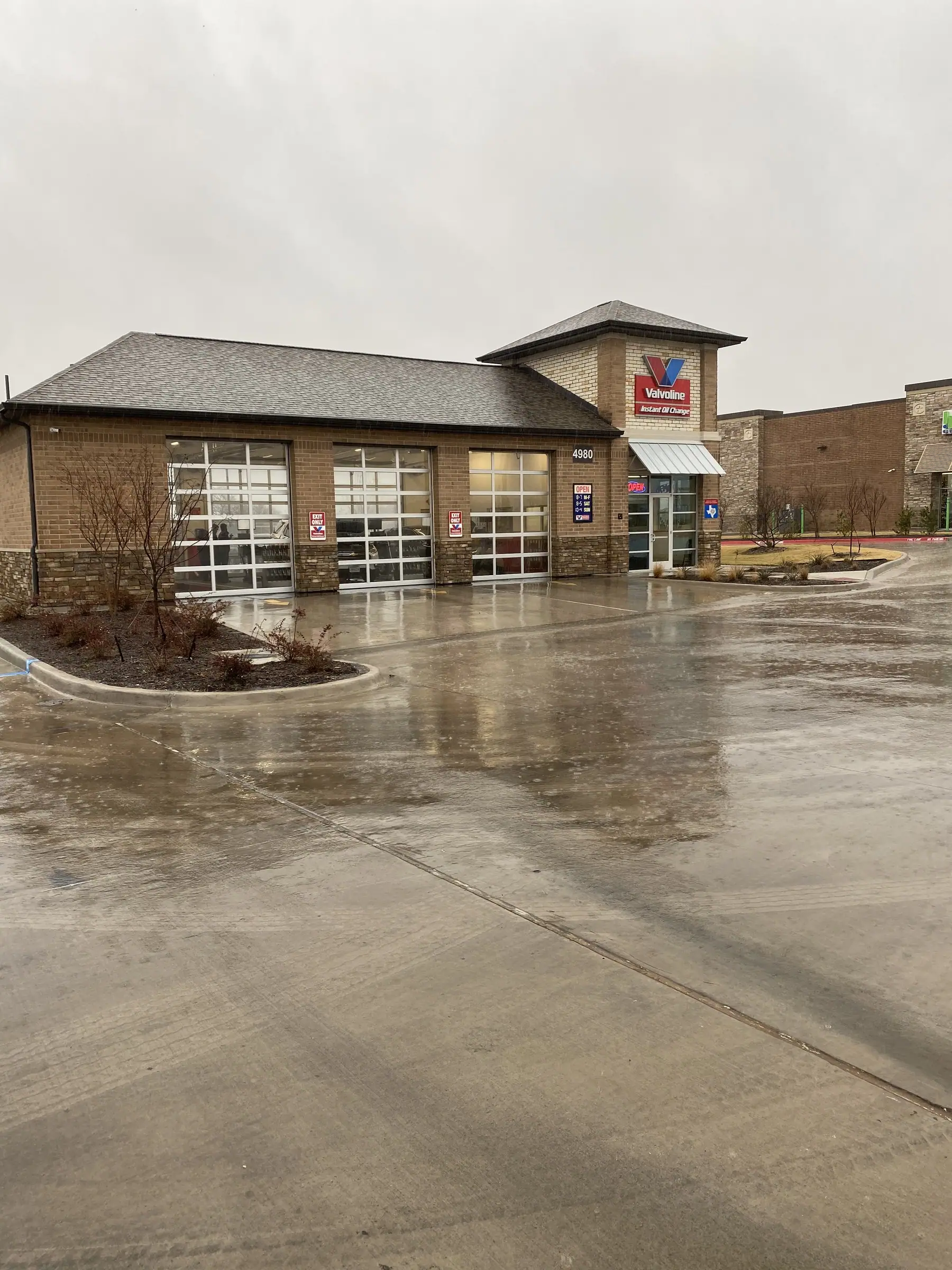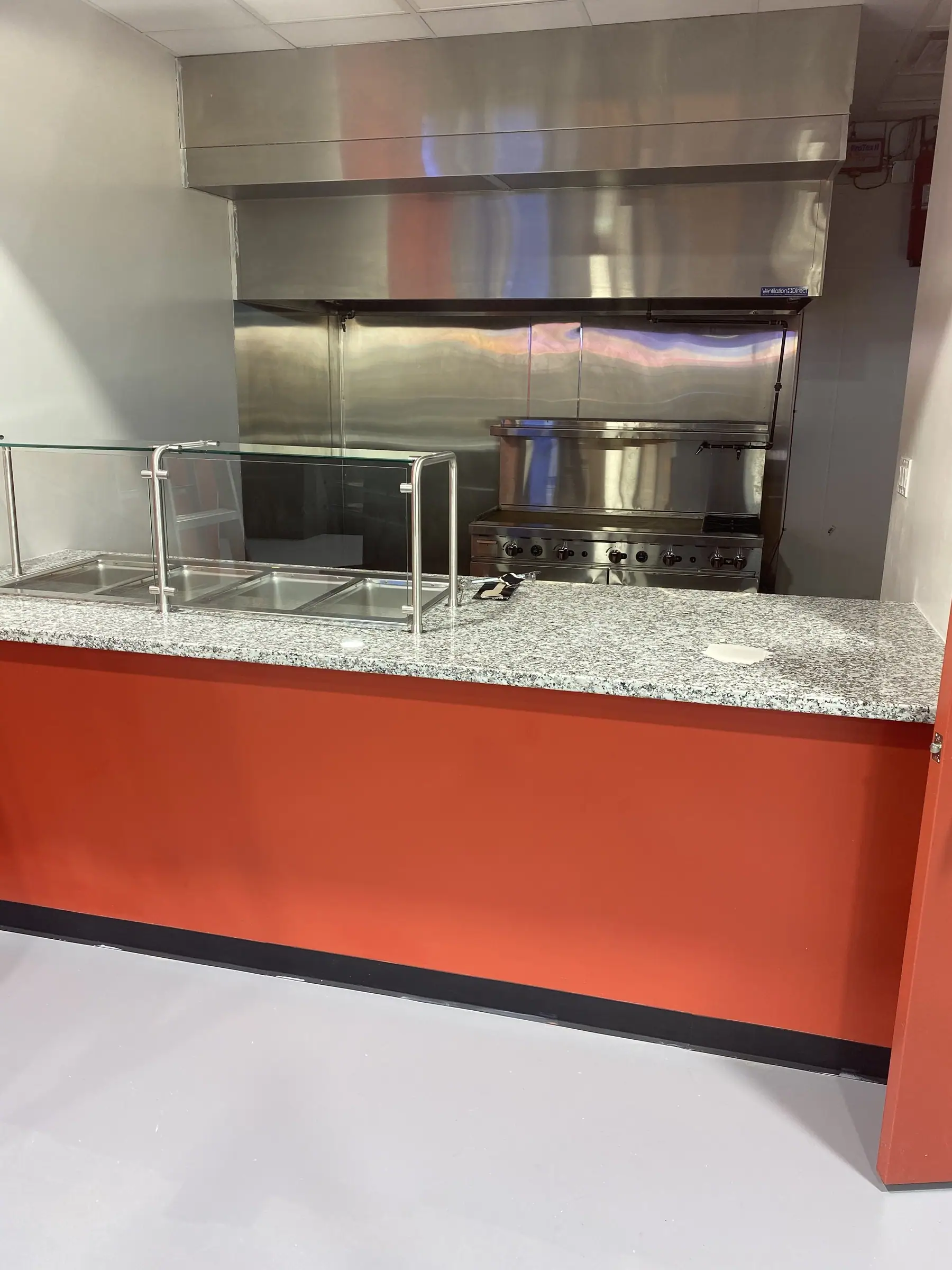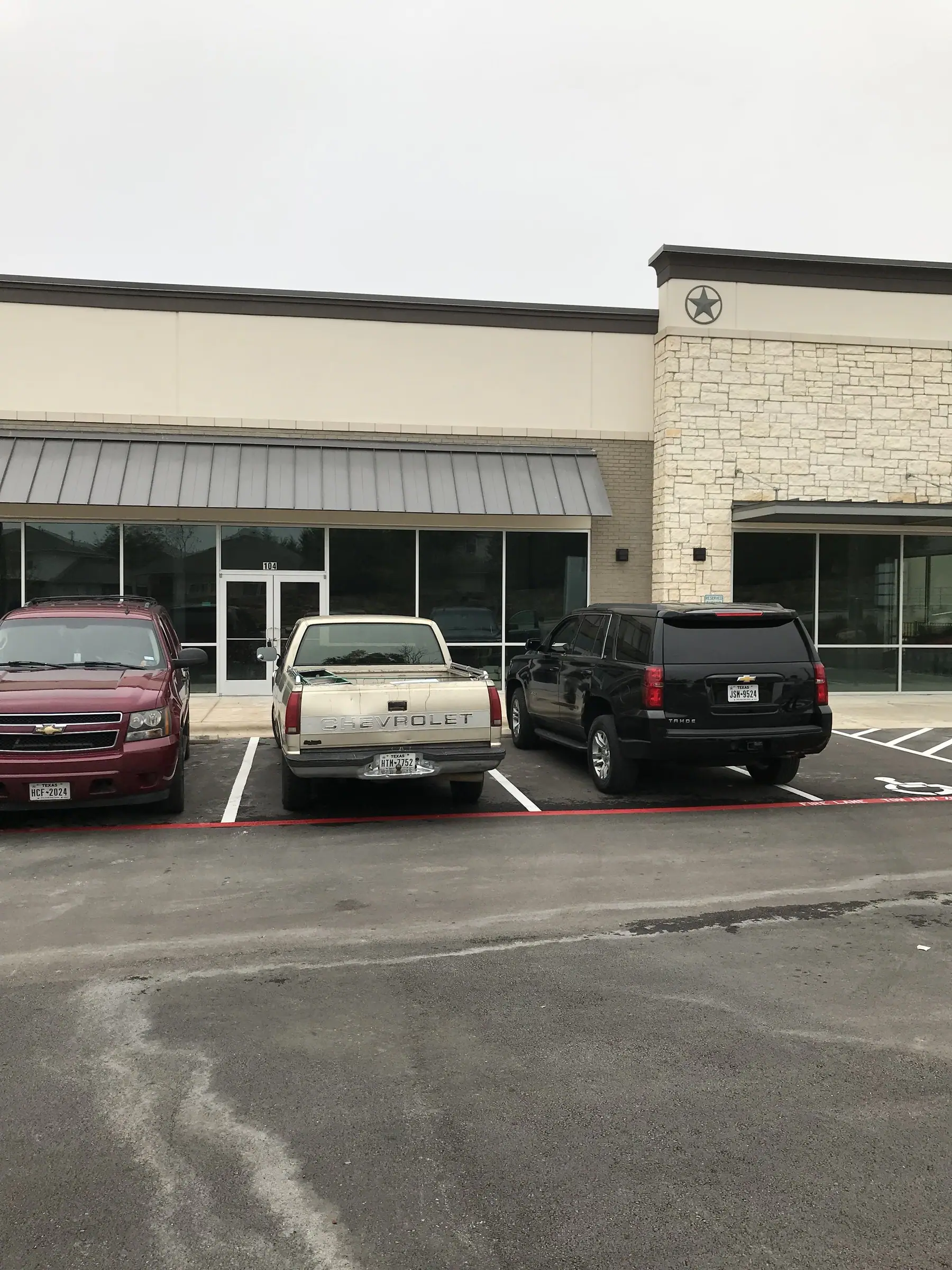
The short answer
In Dallas, you need a new certificate of occupancy (CO) for the first use of a building, a change of use, a change of tenant on an existing CO, or a change in floor area. You apply in DallasNow with a Land Use Questionnaire and pay the fee, which is $375 for a general CO. Inspections follow, and the CO is released once they pass.
When a Dallas business needs a new certificate of occupancy
A certificate of occupancy, or CO, is the city's approval for a specific use of a specific building or tenant space, issued by the building official. The City of Dallas certificate of occupancy page lists four situations that need a new one:
- The first use of land or a building, such as a new building that has never been occupied.
- A change of use of land or a building, such as a store becoming a restaurant.
- A change of tenant on an existing CO, even if the new business does the same thing.
- An existing use that increases or decreases its floor area, such as taking over the suite next door.
The third one surprises a lot of business owners. Leasing a space that was a coffee shop and opening another coffee shop still needs a new CO in your name. The good news is that the same use is the fast track, as explained below.
There is one shortcut. If only the business's name (its DBA) changes, Dallas allows a record change to the existing CO for $30. Other changes to an existing CO, such as a new occupant load, are filed in DallasNow as a stand-alone CO application with a clear description of the change.
If you are building a new restaurant, retail building or gas station, or finishing out a shell space, the CO is the last step after the building permit work is done, so it belongs in the schedule from the start.
How to apply for a certificate of occupancy in Dallas
Every CO in Dallas is applied for through DallasNow, the city's online permitting system. The city's DallasNow portal takes the application, the documents and the payment in one place.
To apply, you submit the CO application and a Land Use Questionnaire, along with the fee. The city's CO FAQ sheet says the Land Use Questionnaire is a required document for every CO application. It describes what the business does in the space, which is what the city uses to decide whether the use is the same as before or a change of use.
What happens next depends on that answer. If the proposed use is the same as the previous use, the city says inspections can be scheduled without delay once the application is approved and the fee is paid. If the use is different, the application is routed to the Building Code and Zoning teams, and you may have to upload a site plan, a floor plan and possibly a parking analysis.
Give the application real detail. The city says that incorrect or insufficient information or documentation can delay approval, and a vague description of the business is one of the easiest ways to get bounced back for more information. If the space is part of a tenant finish-out, the drawings from the building permit are usually the right floor plan to upload.
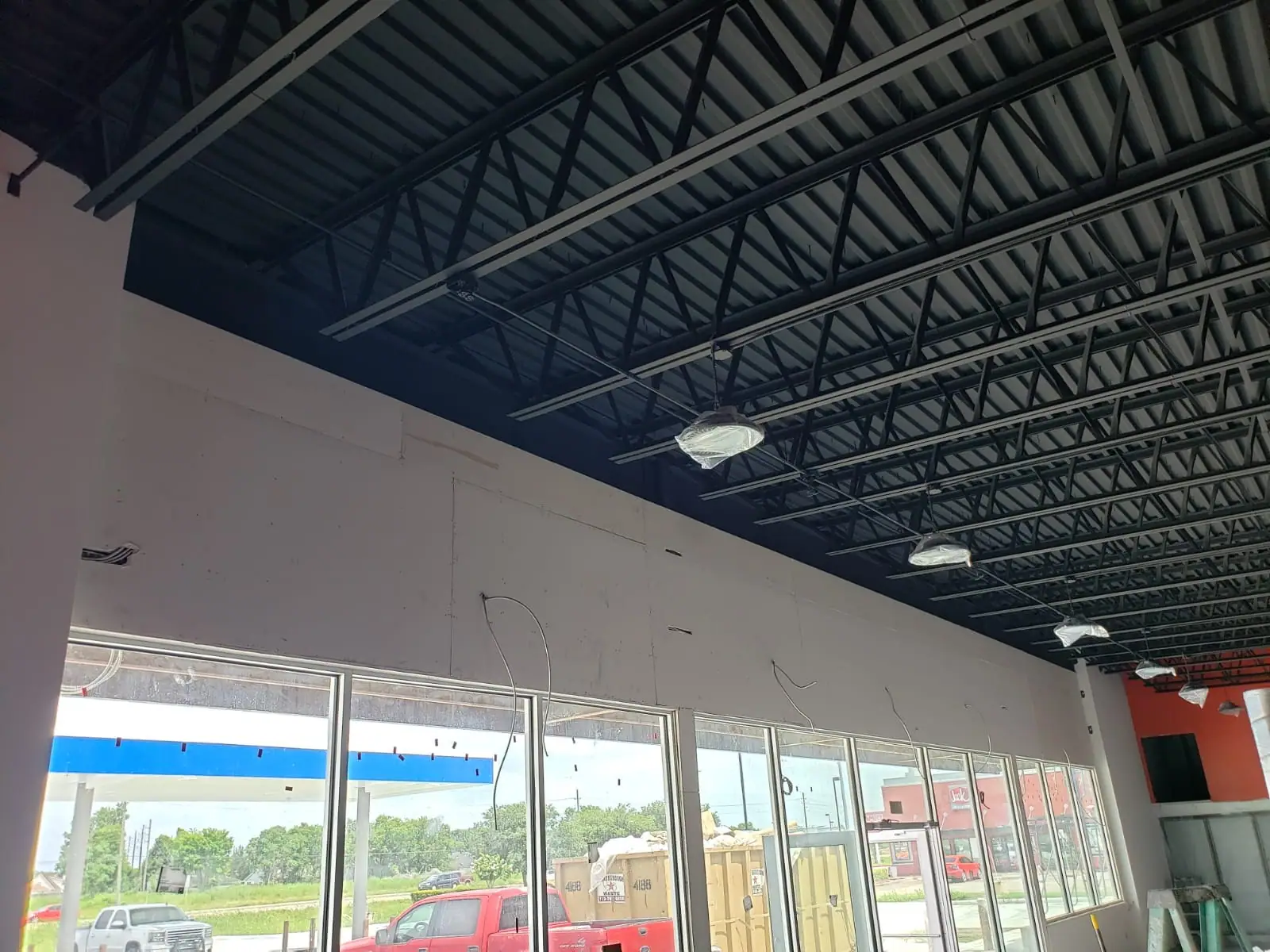
In Dallas, a new tenant needs a new certificate of occupancy even when the space is used exactly the way the last tenant used it.The Texas PC Builders crew
What change of use means and why it slows things down
Dallas defines a change of use as any proposed change to the use of a property, or an intensification of an existing use, that creates more or different impacts on the site or the surrounding properties. A retail store becoming a restaurant is a change of use. So is an office becoming a gym, or a small café adding a full bar and live music.
A change of use is reviewed by two teams because it raises two kinds of questions. Zoning checks that the new use is allowed in that zoning district and that the site has the parking the use requires. Building Code checks that the space itself is safe for the new use, which can bring up exits, restrooms, fire protection and accessibility.
That is where a CO turns into a construction project. A space built for retail often needs real work to become a restaurant: a grease trap, a kitchen hood, more restrooms, new exits or a fire sprinkler change. Those changes need a building permit of their own, and the CO comes after that work passes its inspections.
The review fee has to be paid before the application is routed, and the city is clear that paying it does not guarantee approval. The smart move before signing a lease for a different use is to find out whether the space works for it: zoning, parking and what the building would need. A restaurant build-out priced before the lease is signed is a lot easier to plan around than one discovered after.
Dallas certificate of occupancy fees
The City of Dallas lists its CO fees on the certificate of occupancy page and in its fee schedule. The ones a commercial tenant is most likely to see:
| CO item | Fee |
|---|---|
| Certificate of Occupancy, general permit | $375 |
| Temporary Certificate of Occupancy | $500 |
| Temporary CO, 30-day extension | $250 |
| Partial Certificate of Occupancy | $104 |
| Validation inspection | $113 |
| Duplicate CO | $30 |
| Record change (name only) | $30 |
Those are the city's fees for the certificate itself. They do not include the building permit for any construction the space needs, the plan review for that permit, or the cost of the work. If a special license is required for the use, the city adds an additional fee at the end of the review, before approval.
Fees change, so check the current schedule on the city's site before budgeting. The bigger number in almost every case is the time the space sits unopened, which is why the application details and the inspections deserve the most attention.
How the Dallas CO inspection process works
Dallas lays out the process in five steps on its CO FAQ sheet:
- Application received, and the pre-screen begins.
- Pre-screen completed, and an invoice is issued, if no additional information is needed.
- Payment made, and the application is approved or routed for review.
- Review completed, and the project is ready for inspections.
- All inspections passed, and the CO is released.
The inspections are the step owners should prepare for. The inspector is checking that the space matches the approved use and the floor plan that was submitted, and that it is safe to occupy. When the CO follows construction, the building permit inspections should all be finaled before the CO inspection.
As for timing, the city says processing times differ based on demand. There is no fixed number of days to plan around, so the best way to shorten it is to apply early, answer every question on the Land Use Questionnaire completely and have the space ready before the inspection is scheduled.
If something fails, it has to be corrected and inspected again, which adds days. A walk-through of the space with the inspection in mind, a few days before, is the cheapest way to avoid that.
Temporary certificates of occupancy in Dallas
A temporary certificate of occupancy, or TCO, lets a business occupy a space for a limited time while minor items are finished. It is common on new buildings and finish-outs when the space is safe to use but something small, such as landscaping or a final sign, is still outstanding.
In Dallas, the fee for a TCO is $500, and a 30-day extension is $250. The city says TCOs are reviewed and approved by the district managers, and that anyone looking for a TCO should reach out to their district office for help.
There is a partial CO as well, at $104, which covers part of a building when the rest is not ready. That can let a multi-suite building open its finished suites while others are still being built out.
A TCO is a bridge, not a plan. It is granted at the city's discretion, it costs more than the regular CO, and every extension adds another fee. The cleaner path is a schedule that lets the work finish and the regular CO inspection pass before the opening date that is printed on the marketing.
Special cases: alcohol, multi-tenant buildings and permits
Some uses carry extra steps. A business that sells alcoholic beverages has its own Alcohol Measurement Checklist from the city, because those uses come with extra requirements. If you are opening a restaurant with a bar in Dallas, read it before signing the lease, not after.
For multifamily buildings, the city requires multi-tenant approval from Code Compliance before a CO application, and the $30 name-only record change is only available when there are no code violations on record for the property.
Most commercial projects also involve a building permit before the CO. A ground-up building, a remodel or a finish-out is permitted, built and inspected, and only then does the CO get issued for the business that will use the space. If the project cost is $50,000 or more, the state's accessibility review is another track that runs alongside, covered in our post on TDLR TAS reviews.
Projects across Dallas go smoothest when the CO is treated as part of the construction schedule: the use confirmed before the lease, the permit drawings matching the CO floor plan, and the space ready for its inspection on the first try.
Questions people ask
Do I need a new CO if I take over a space with the same use?
Yes. Dallas requires a new CO for a change of tenant on an existing CO. When the use stays the same, the city says inspections can be scheduled once the application is approved and paid, without the extra zoning and building review.
Where do I apply for a certificate of occupancy in Dallas?
All COs are applied for through DallasNow, the city's online permitting system. Temporary COs are reviewed and approved by the district managers.
Can I open before the CO is issued?
The CO is the city's approval to use the space for your business, so opening without one is not allowed. If minor items are still being finished, ask your district office about a temporary CO.