The short answer
In Texas, a building or remodel with an estimated construction cost of $50,000 or more must be registered with TDLR and its plans reviewed by a Registered Accessibility Specialist (RAS) against the Texas Accessibility Standards. Registration costs $175. After construction, the RAS inspects the finished work, and the owner has 270 days to fix anything that fails.
What a TDLR TAS review is
The Texas Accessibility Standards, or TAS, are the state's rules for making buildings usable by people with disabilities: accessible parking, the route from the parking lot to the door, door widths, restrooms, drinking fountains, service counters and more. The Texas Department of Licensing and Regulation (TDLR) runs the program through its Architectural Barriers section, and it has its own registration, review and inspection steps that sit beside your city's building permit.
The person who does the review and the inspection is a Registered Accessibility Specialist, or RAS. A RAS is licensed by TDLR and hired by the building owner, according to TDLR's program summary. They read your construction documents against TAS before the work is built, then walk the finished building and check it against the same rules.
The current standard is the 2012 TAS. TDLR's Architectural Barriers FAQ says it took effect on March 15, 2012 and applies to projects registered, permitted or built on or after that date. The full standard is linked from TDLR's rules page.
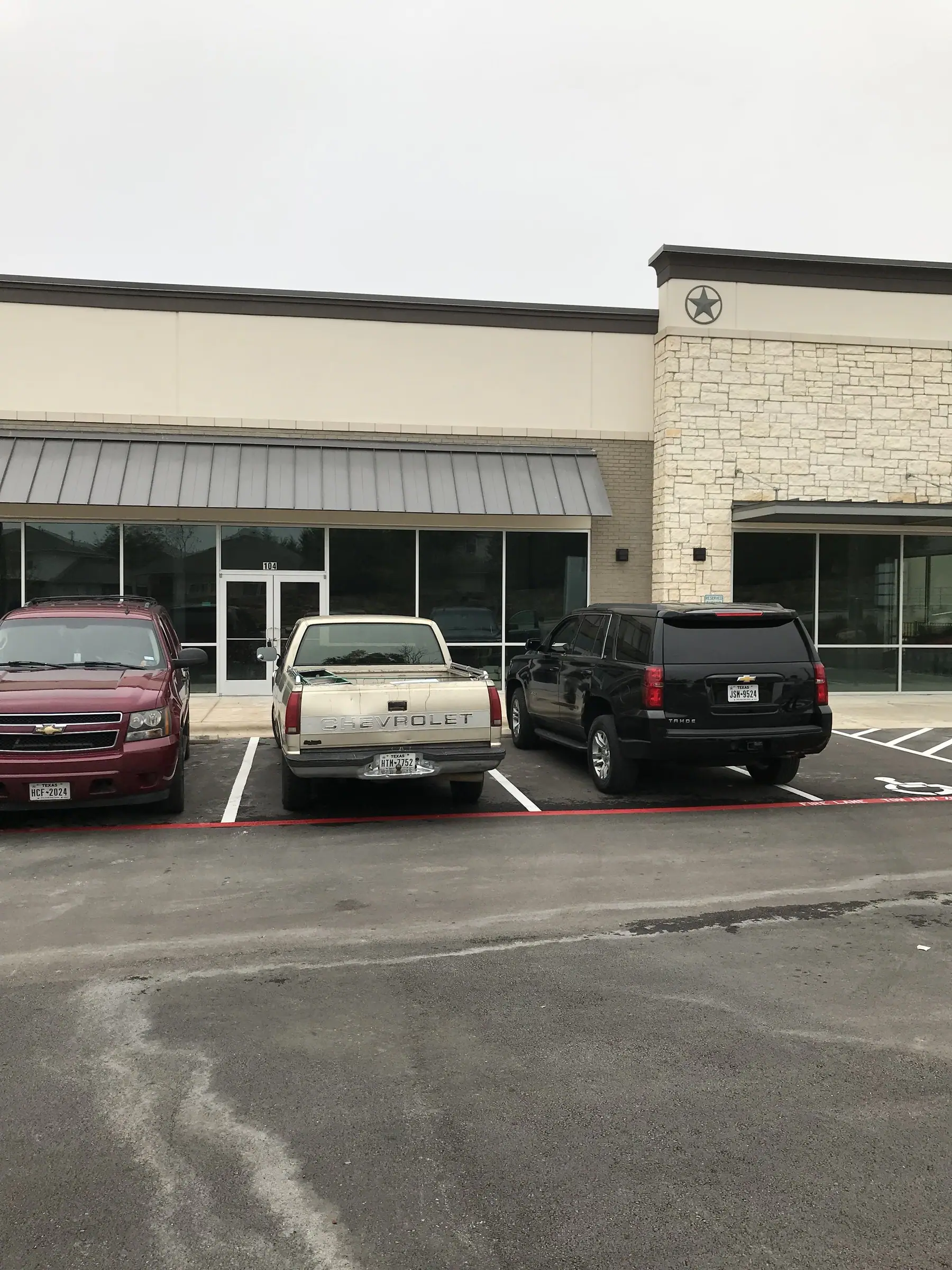
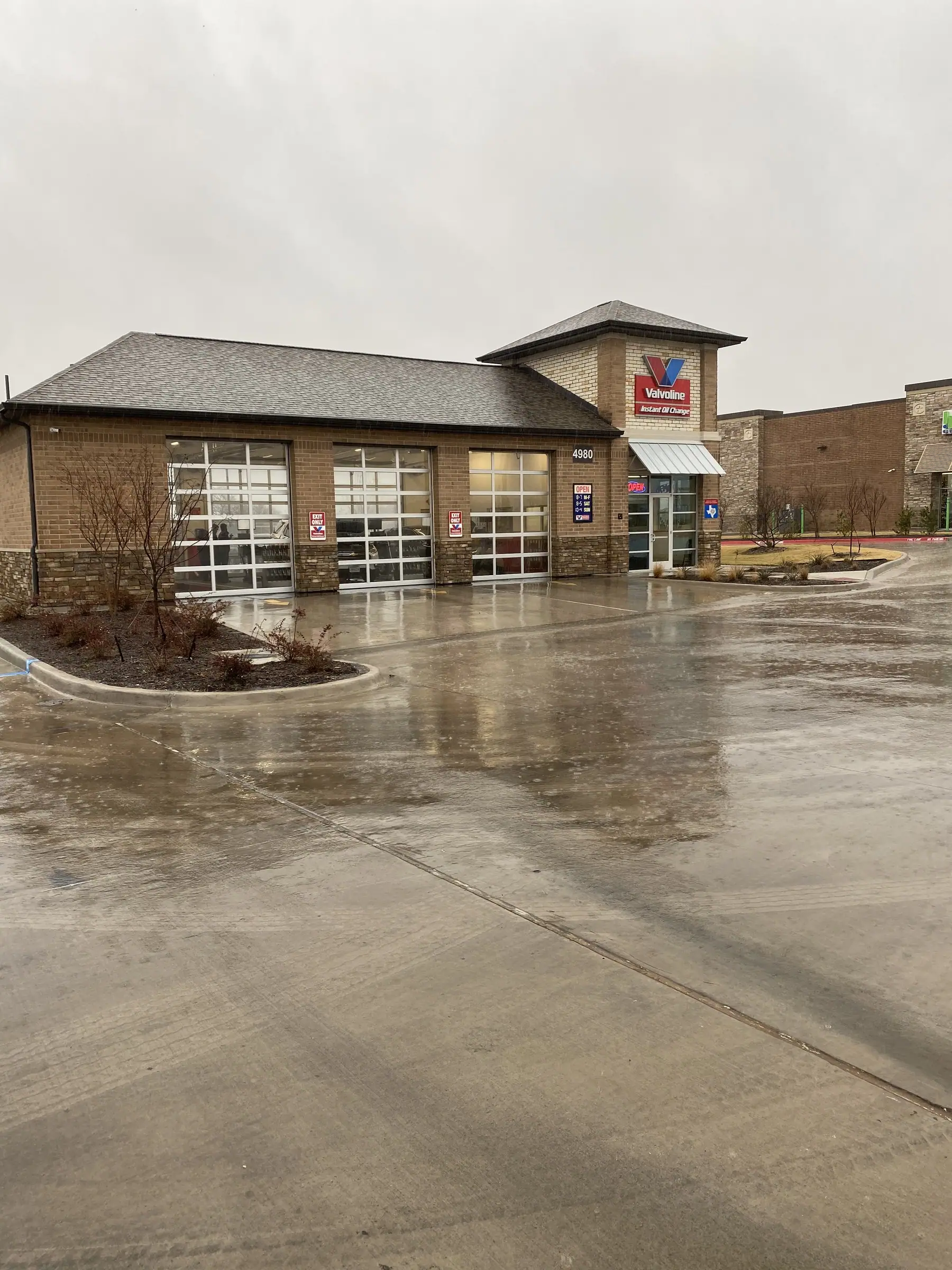
For an owner building a restaurant, a retail building, a gas station or finishing out a tenant space, the review matters because it is far cheaper to fix a restroom layout or a counter height on paper than after the tile is set.
Which Texas projects have to be registered with TDLR
The line is $50,000 of estimated construction cost. TDLR's FAQ says projects with costs of $50,000 or more are required to submit a full set of construction documents, and that a project under $50,000 does not have to be submitted for registration and review.
That cost is the construction cost, not the whole budget. TDLR's fee page says the figure leaves out site acquisition, furnishings and equipment that is not part of the building's mechanical systems. A restaurant finish-out where the kitchen equipment is a large part of the spend can still land over $50,000 on the construction work alone, so price it honestly before deciding it is exempt.
Being under $50,000 does not take a project out of the standards. In TDLR's words, the project "is still required to comply with TAS." A small restroom remodel or a new service counter in an existing store still has to meet the rules for clear floor space, reach ranges and counter heights. It just skips the state paperwork, unless your city or building official asks for it anyway.
Projects that often cross the line in Dallas-Fort Worth include tenant finish-outs of a shell space, commercial remodels that move walls or restrooms, and every ground-up restaurant, retail building and gas station.
A project under $50,000 does not have to be registered with TDLR, but TDLR is clear that it still has to comply with the Texas Accessibility Standards.The Texas PC Builders crew
When the plans go to the RAS
The timing is set by Texas rule, not by the city. Under 16 TAC §68.50, for a project of $50,000 or more, the design professional must submit the plans and specifications, along with TDLR's form, to a RAS no later than the twentieth day after the plans are issued. Saturdays, Sundays and legal holidays do not count toward those 20 days.
When there is no design professional with overall responsibility, the same rule puts the job on the owner: the construction documents go to a RAS before applying for a building permit or starting construction, in an unincorporated part of a county that does not issue building permits.
The project itself is registered in TABS, TDLR's online Texas Architectural Barriers System. TDLR's FAQ says anyone may register a project in TABS once they register as a user, so the architect, the owner or the contractor can do it. A RAS then has 30 days to accept or decline the project.
Once the RAS reviews the documents, 16 TAC §68.51 requires the plan review findings to go out no later than 30 days from the date of review. In practice this means the accessibility review should be started as soon as the drawings are issued, so its comments come back while the plans are still being finalized for the city.
What TDLR registration and review cost
The state's part is small. TDLR's fee page lists a $175 project registration fee. If a project is registered late, after construction is complete, the filing fee is $300, on top of the plan review fee.
The plan review fee is set by the project, not a flat number. TDLR says it is determined by the estimated cost of construction, using the same construction-only figure described above. Special reviews or inspections by TDLR itself are billed at $215 an hour with a one-hour minimum.
The RAS is a separate cost. Because the owner hires the RAS, their review and inspection fees are agreed with them directly. On a typical commercial job, that means three lines in the budget for accessibility: TDLR's registration fee, the RAS plan review and the RAS inspection after the work is done.
The bigger cost is a failed inspection. A restroom built two inches too small, a counter built too high or a ramp built too steep has to be torn out and rebuilt, and those fixes cost far more than any review fee. That is the real reason to get the review done early and to have the general contractor build to the reviewed drawings.
The TAS inspection after construction
Every registered project gets an inspection once the work is finished. Under 16 TAC §68.52, the owner or the owner's agent requests it in writing, and the RAS needs access to the project in TABS before inspecting. TDLR's FAQ says the request may be made in any written format.
The owner, the owner's agent or a representative has to be there for the inspection and sign TDLR's inspection form. The RAS then has 30 days from the inspection to complete the report, must give it to the owner within 30 days of the report date, and uploads it to TABS.
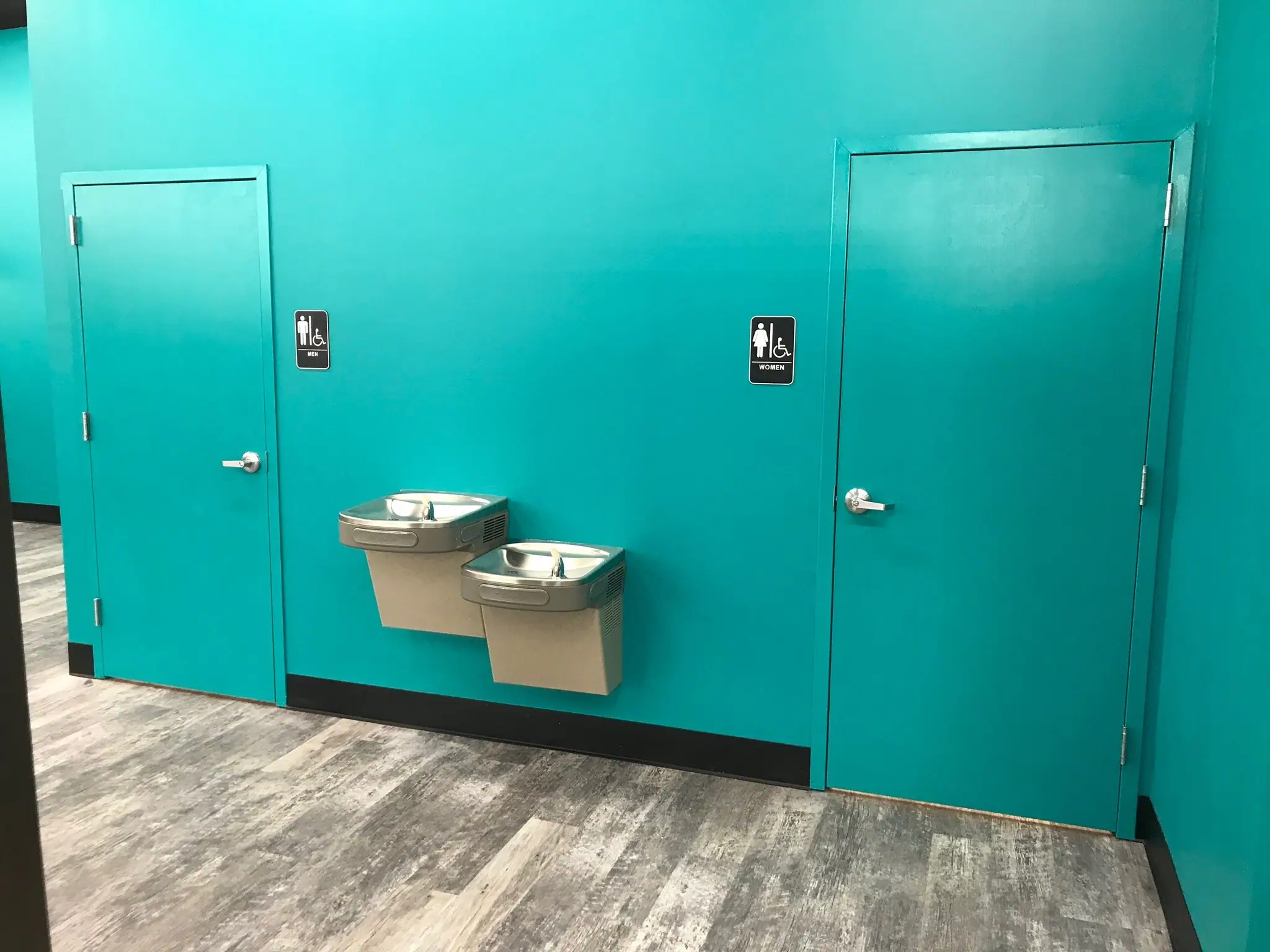
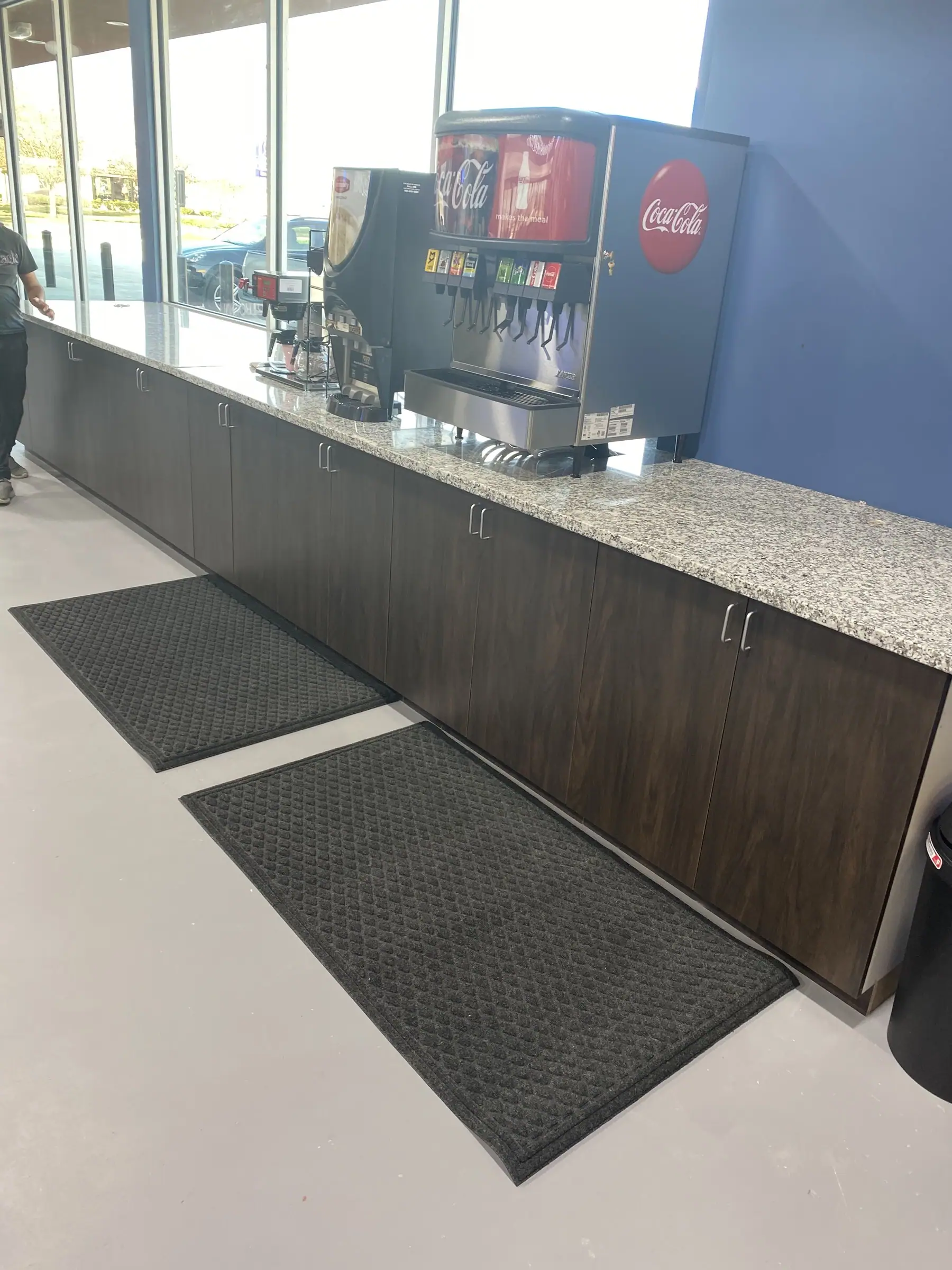
The inspection is a walk of the finished building with a tape measure and a level. The RAS checks the things the plan review covered: parking spaces and access aisles, the accessible route to the entrance, door hardware and clearances, restroom layouts, grab bars, drinking fountains, sales and service counters, and signage. Anything built differently from the reviewed drawings is where problems usually show up.
Because the inspection happens after the city's final inspections, it can come after the business has opened. Plan for it in the schedule anyway, so the report is in hand and any corrections are known early.
How deficiencies are fixed and reported
If the RAS finds items that do not meet TAS, the report lists them, and the clock starts on the report date. Under 16 TAC §68.52, the owner must respond to the RAS on TDLR's form by the 30th day after the report date, and the corrective work must be completed by the 270th day after the report date.
The owner's response is then uploaded in TABS within 30 calendar days of the RAS receiving it. In other words, the state tracks each project until every deficiency is closed out.
Most deficiencies on commercial jobs are small and fixable: a mirror or a paper towel dispenser mounted too high, a door closer set too stiff, a missing sign, a grab bar a few inches off. Bigger ones, like a restroom without the required clear floor space or a slope on the accessible route that is too steep, can mean moving walls or pouring new concrete.
The way to keep the list short is to build exactly to the reviewed drawings and to check the details that are easy to get wrong in the field: mounting heights, door clearances and slopes. A good general contractor walks the building with the TAS items in mind before calling for the inspection.
How TAS shapes a restaurant, retail or gas station build
TAS touches almost every trade on a commercial job, which is why it is worth planning around from the first drawing. On the site, it sets the number of accessible parking spaces, the access aisles and the route from the parking lot to the front door, so it affects the concrete layout, the curb ramps and the slopes.
Inside, it sets the size and layout of the restrooms, which drives the plumbing and the wall locations, and the heights of counters, fountains and controls. In a restaurant, it reaches into seating, the bar and the path to the restrooms. In a convenience store, it covers the checkout counter and the aisles. In a tenant finish-out, the existing shell's restrooms and entrance often have to be brought up to the standard as part of the work.
The easiest projects are the ones where the architect, the RAS and the contractor are reading the same drawings early. Building to the reviewed plans, and putting the details the inspection will check on the punch list before anyone calls the RAS, is what keeps the report short.
Questions people ask
Is the TDLR review the same as the city building permit review?
No. Your city reviews the building permit against its building codes, and the TDLR program checks the work against the Texas Accessibility Standards through a RAS. A commercial project over $50,000 usually goes through both.
Can the owner register the project in TABS?
Yes. TDLR's FAQ says anyone can register a project in TABS once they sign up as a user, so the owner, the architect or the contractor can do it.
What happens if a project is registered after it is built?
TDLR charges a $300 late filing fee instead of $175, plus the plan review fee, and the review can only find problems once they are already built.