The short answer
Every building used or occupied in Fort Worth must have a certificate of occupancy (CO). If your business uses a space the same way the last one did, apply in Accela for an Occupancy Existing Ordinance permit. If the use is different, apply for an Occupancy Change of Use, which goes through plan review. The CO is issued after all final inspections pass.
Does every business in Fort Worth need a certificate of occupancy?
Yes. The City of Fort Worth's certificate of occupancy page says that "any building used or occupied in Fort Worth must have a Certificate of Occupancy," and that no change in occupancy classification may happen until the building official issues a CO. One- and two-family homes, townhouses and community homes are the exceptions; they do not receive COs.
The city's Certificate of Occupancy Guide for Restaurants puts it in business terms: under Section 111 of the City of Fort Worth Administrative Code, every business with a physical location in the city requires a CO permit.
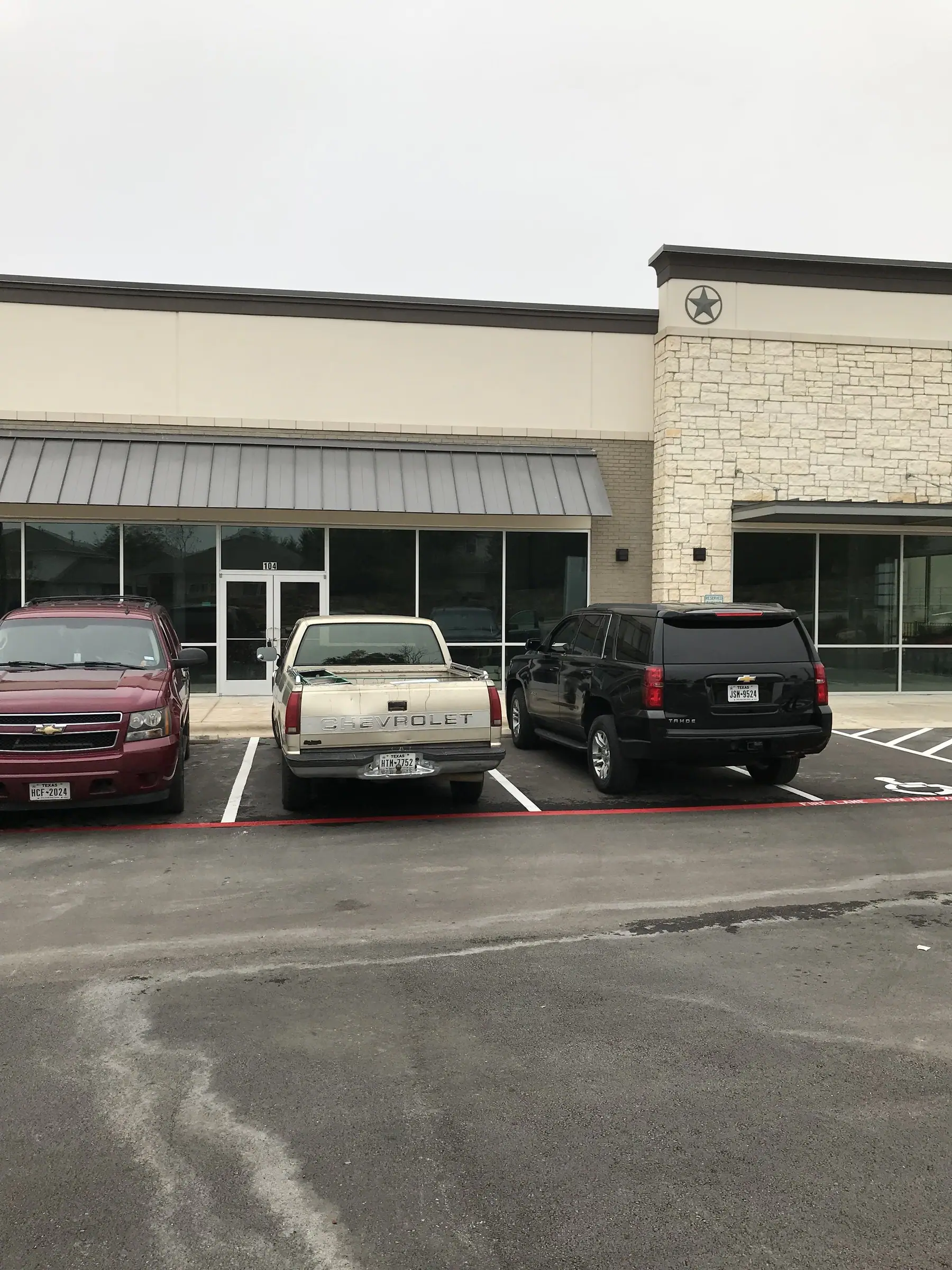
That includes a new business moving into a space where another business already had a CO. The CO belongs to the business and the use, not just to the building, so a new tenant or a new owner applies for its own.
Which permit you apply for comes down to one question: is your business the same type of use as what was in the space before? The answer decides whether the process is quick or goes through plan review.
Same use: the Occupancy Existing Ordinance permit
When a change of ownership or tenant happens and the type of use stays the same as the existing CO, the city says a new CO can be issued by applying online. In Accela Citizen Access, the city's permit portal, the application is under the Building Permit tab as "Occupancy Existing Ordinance." You can also apply in person at City Hall.
You have to show the existing use. The city accepts a CO dated after July 2001, old permits, tax records or business records from the last five years. If the documentation is not enough, ordinance inspections may be required. If the space needs new electrical service, you select an electrical ordinance inspection as well.
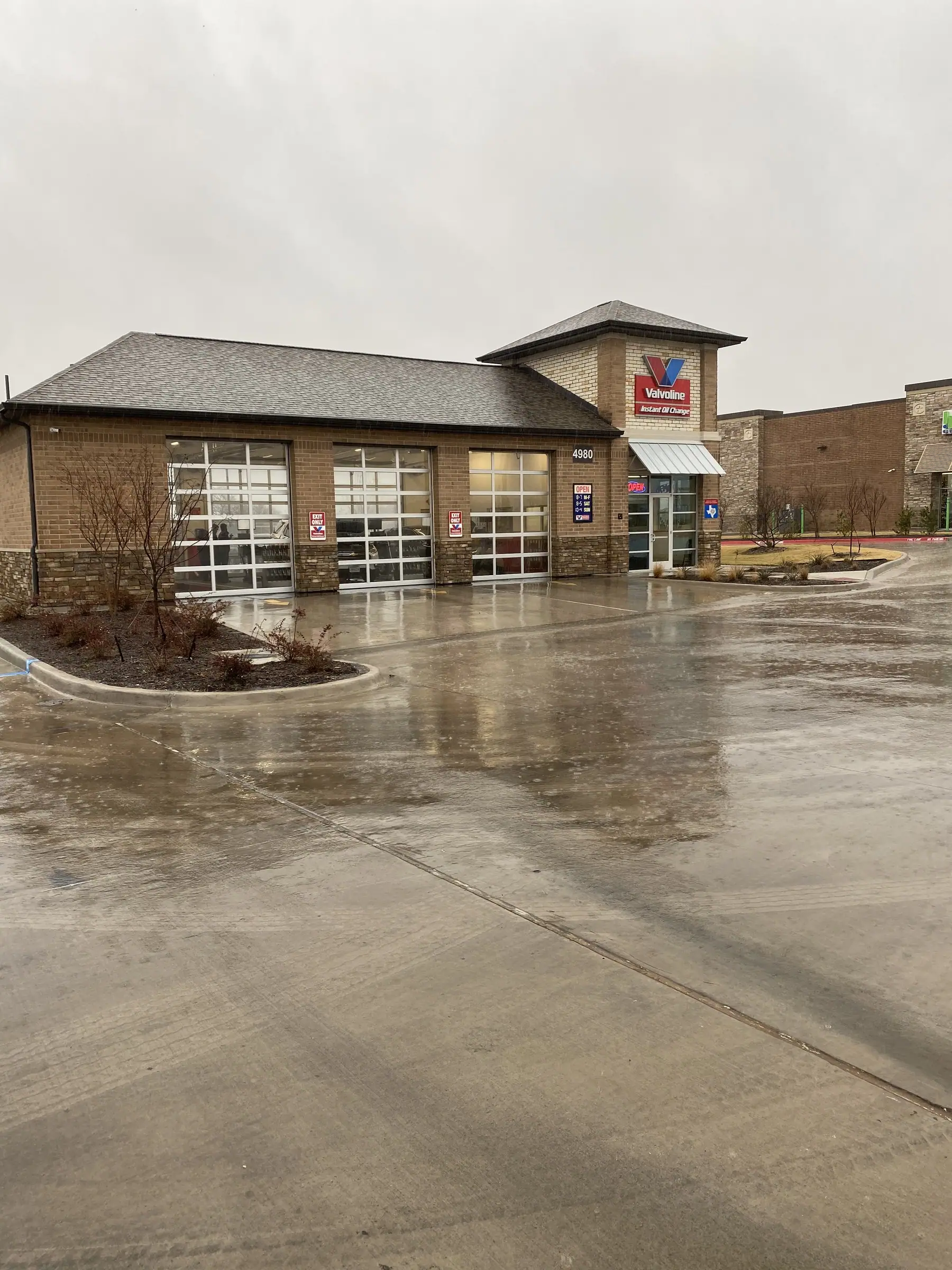
The restaurant guide gives a clear example: if your location was previously a restaurant, you need a new CO permit for your business, and this is an Occupancy Existing Ordinance permit. Inspections can be scheduled as early as the next business day after the application is approved.
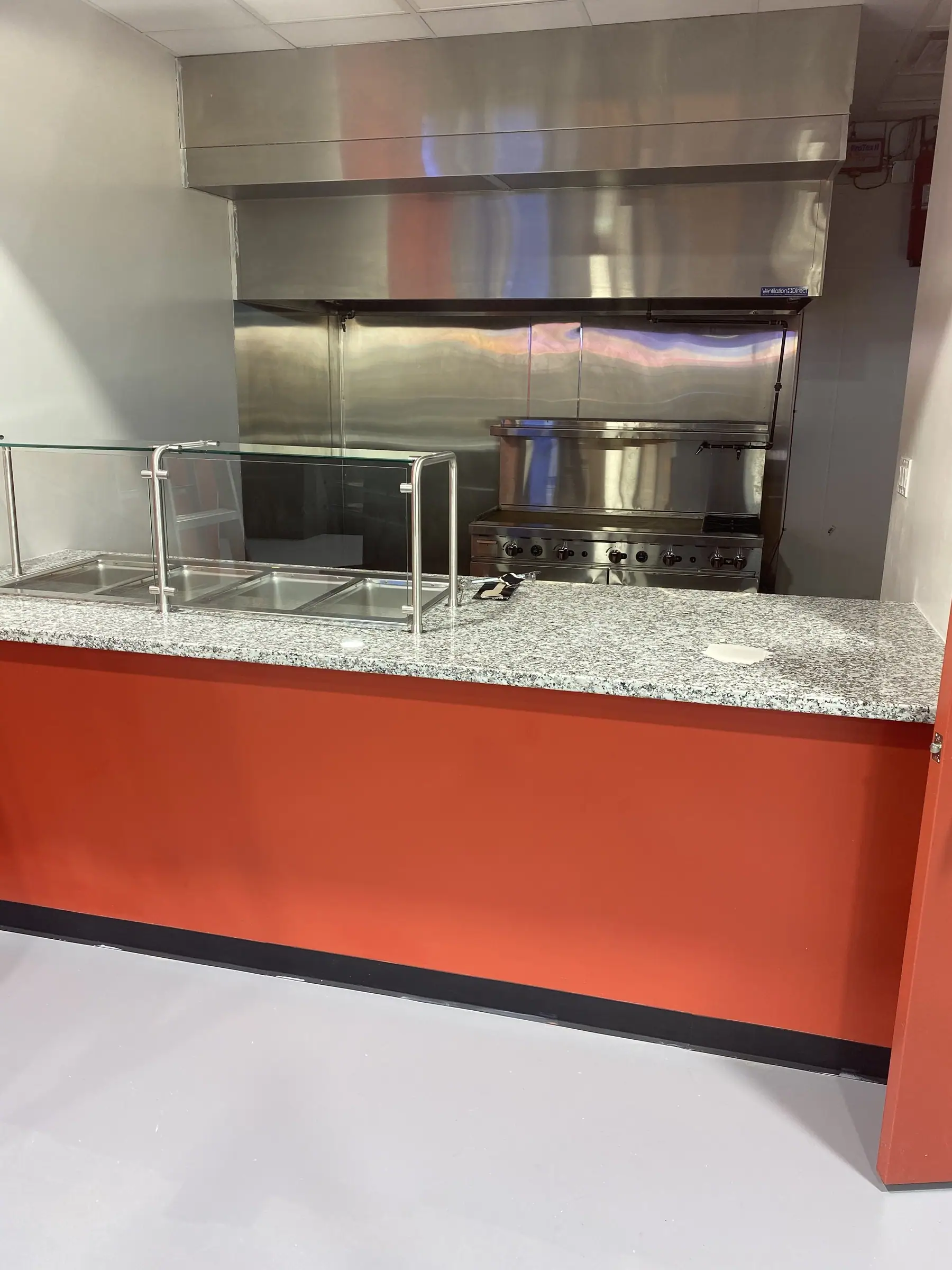
Same use is the fastest path in Fort Worth, which is worth keeping in mind when choosing a space. A former restaurant with a working kitchen, hood and grease trap is a very different starting point for a restaurant than a former clothing store.
In Fort Worth, a former restaurant can open as a restaurant again under an existing-use permit, but a former store becoming a restaurant is a change of use with its own plan review.The Texas PC Builders crew
Change of use: the Occupancy Change of Use permit
A change of use is required when your business is a different type of business from what currently operates in the space. Fort Worth's change of use page defines it as "a change in the purpose or level of activity within a building."
The application goes in through Accela under Building Permits as "Occupancy Change of Use," with the Change of Use Packet that the city provides on that page. The city says a change of use permit can be applied for with or without associated remodeling, and that the application is reviewed by the building and zoning plan review teams, with other groups reviewing depending on the use.
The restaurant guide explains what the review is for: the change of use permit undergoes plan review to calculate the new occupancy information. Once approved, the city provides stamped plans and instructions for the inspection documents, and inspections can be scheduled as early as the next business day.
A change of use is also where construction comes in. The city warns that alterations to the building or space may be required to meet the building code for the new use, and alterations to the building and site may be required to meet the Zoning Ordinance. A non-residential building with no prior CO on file will need a floor plan to scale or with dimensions.
New buildings and shell spaces
For a new building, the CO comes at the end of construction. The city's CO page says it is issued after the building permit inspections are approved and the infrastructure work is accepted.
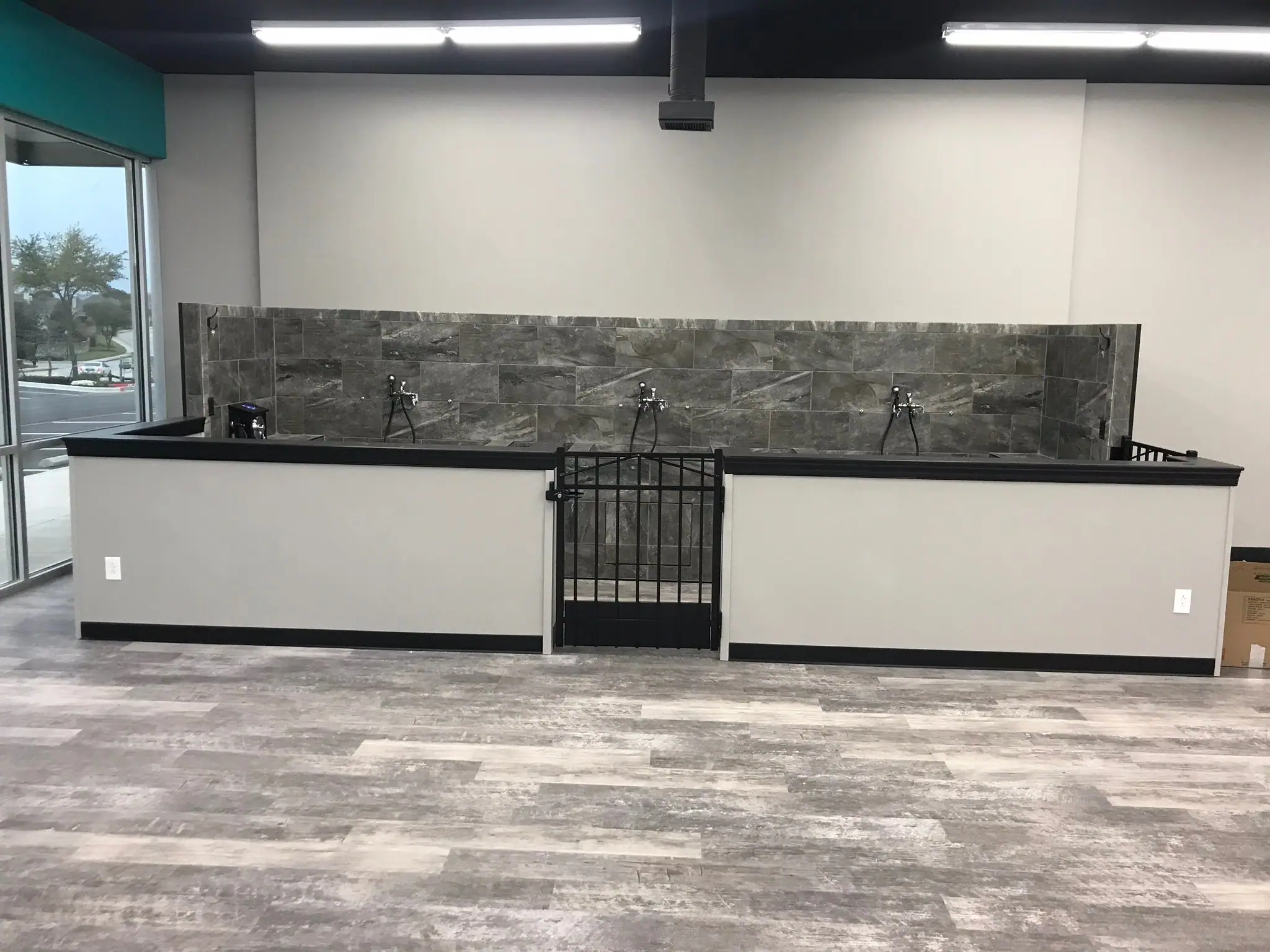
Shell buildings add a step. A shell is built without the interior finished for a tenant, and the city says a shell building needs a separate Tenant Finish Out permit before a CO can be issued for the business that will use it. That finish-out permit has its own plans, its own review and its own inspections.
If you are remodeling and moving into a space that was already a restaurant, the restaurant guide says you need two separate permits: first a Commercial Remodel Permit, which goes through plan review, and then, once that is approved, a new Occupancy Existing Ordinance CO permit.
This is where a contractor and the permit schedule meet. A tenant finish-out in Fort Worth runs from plans to permit to construction to final inspections, and the CO is the last box. Planning the CO into the build schedule from the start keeps the opening date honest.
The inspections before a Fort Worth CO is issued
The rule is simple: the city says "a certificate of occupancy will be issued following the approval of all final inspections." Which inspections depends on the scope of work and the use. The city lists possible inspectors from building, mechanical, electrical, plumbing, fire and health.
A restaurant usually sees most of them. An office moving into an office space with no work done may only need an ordinance inspection, if the city needs one at all. Anything that changes the building, the systems or the use brings more trades into it.
Once the last final is approved, the CO is emailed to the permit contact the business day after. That is the document you need before opening to the public.
Failed inspections are where time is lost. A missing exit sign, a fire extinguisher without a current tag or a restroom that does not work can send the inspector away and push the opening. A walk-through of the space a few days before the inspections, with each inspector's items in mind, is the cheapest insurance there is.
Opening a restaurant in Fort Worth
Restaurants have more paperwork than most uses, and Fort Worth's restaurant guide lists what to have before applying for permits: registering the business with the Texas Secretary of State, a sales tax certificate, a food manager's certification, food handler's certifications, an assumed name certificate if operating under a different name, and a TABC permit if selling or serving alcohol.
The kitchen's wastewater has its own rules. The city's grease trap page says Fort Worth requires restaurants and similar facilities to install and maintain traps, that restaurants must obtain a restaurant wastewater discharge permit, and that grease traps must be 100 percent pumped out at least once every 90 days. Before installing a trap, the city says to contact Pretreatment Services and the Plumbing Inspection Section, because trap sizing depends on each facility's operation.
Food inspections come from the city's consumer health program, listed on its food business page. The restaurant guide also points to fire permits and backflow inspections as items that may apply.
The three paths in the guide are worth reading before signing a lease: a former restaurant with no remodel, a space that was never a restaurant, or a former restaurant you plan to remodel. Each one changes the permits, the time and the cost.
Planning your Fort Worth CO
The fastest Fort Worth openings have a few things in common:
- The use is checked before the lease is signed: same use or change of use, and what the space would need for the new use.
- Proof of the existing use is gathered early: an old CO dated after July 2001, permits or business records from the last five years.
- If construction is needed, the remodel or finish-out permit drawings and the CO application describe the same space and the same occupancy.
- The space is walked before the final inspections, with each inspector's items in mind.
For businesses across Fort Worth, the CO is usually the shortest part of the process when nothing about the space changes, and the longest when the use does. That is why the real planning happens before the lease, not after.
Texas PC Builders builds restaurants, retail buildings and gas stations and finishes out tenant spaces across Dallas-Fort Worth. If you are looking at a space and want to know what it would take to make it work, that is a good time to talk.
Questions people ask
Where do I apply for a CO in Fort Worth?
Online in Accela Citizen Access, under the Building Permit tab, or in person at City Hall. Same-use applications are "Occupancy Existing Ordinance" and different uses are "Occupancy Change of Use."
How do I prove the existing use of a space?
Fort Worth accepts a CO dated after July 2001, old permits, tax records or business records from the last five years. Without enough proof, ordinance inspections may be required.
Does a home-based business need a CO in Fort Worth?
One- and two-family homes, townhouses and community homes do not receive COs, according to the city's certificate of occupancy page.